
Senate Bill 53
Section 3 of the bill clearly defines CalCompute's purpose, the framework report and the consortium to write it. So why wait for permission?
A framework for
Connecting Californians with the computing power they need to lead the nation by example.

About
CalCompute is California's plan for public cloud and AI, giving Californians the power to build and use AI that is safe, ethical, equitable and sustainable.
California's campuses, laboratories and regional cloud providers already run powerful computing systems, but each has its own policies and capabilities. For many people, the hard part is knowing where to start.
We expand access to these systems by providing the necessary technical expertise and workforce development, and as demand grows, shared capacity. We do all of this from within California's existing academic and technology ecosystem.
If you manage compute, we help train your users and provide overflow capacity.
If you need AI resources for work that benefits the public, we help you find what you need and provide the expertise to help you use it.
Framework
A seven-element framework for the creation of a public cloud computing cluster that advances the development and deployment of artificial intelligence that is safe, ethical, equitable and sustainable.
88%
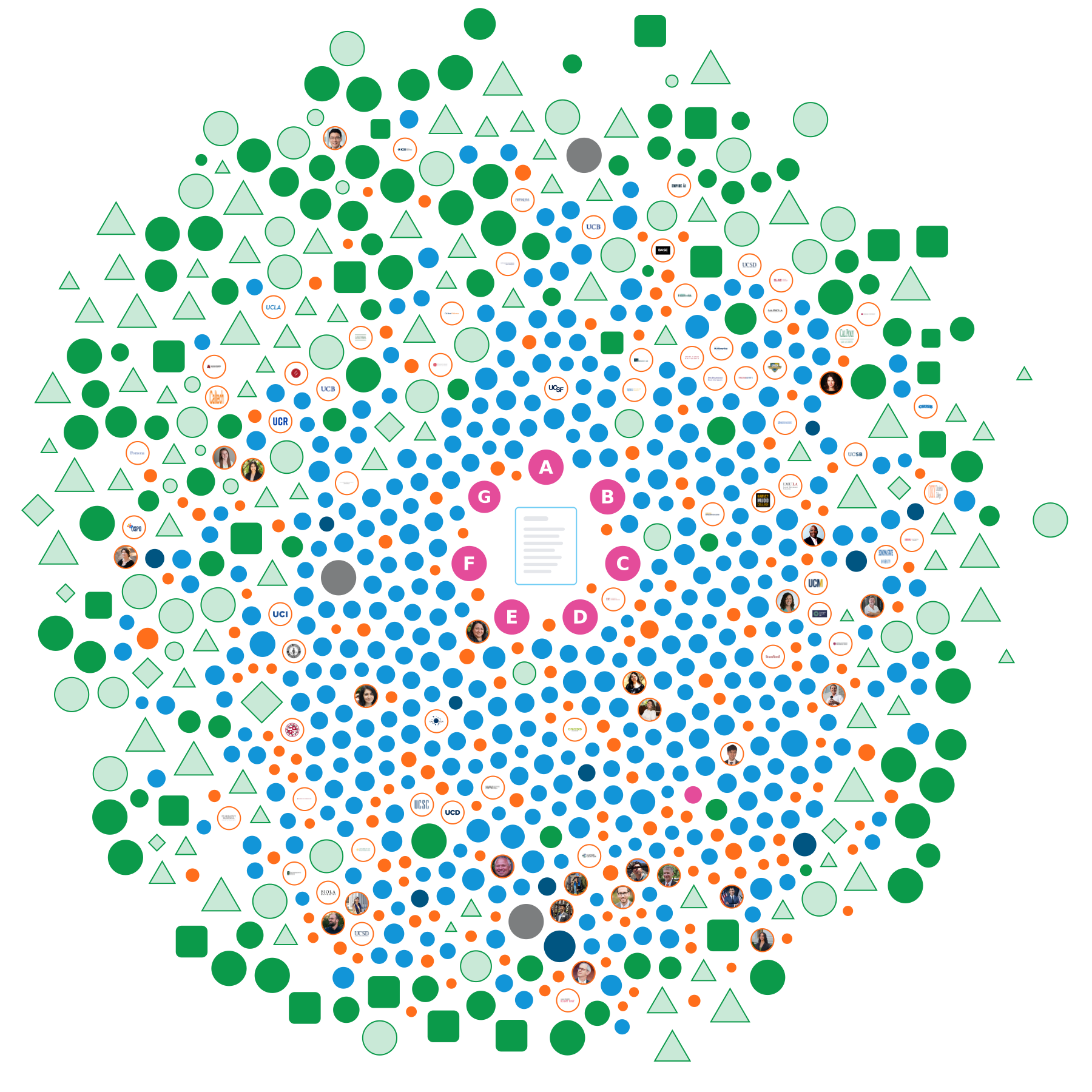
A landscape analysis of California's current public, private and nonprofit cloud computing platform infrastructure.
An analysis of the cost to the state to build and maintain CalCompute and recommendations for potential funding sources.
Recommendations for the governance structure and ongoing operation of CalCompute.
Recommendations for the parameters for use of CalCompute, including a process for determining which users and projects will be supported.
An analysis of the state's technology work force and recommendations for equitable pathways to strengthen it.
A detailed description of any proposed partnerships, contracts or licensing agreements with nongovernmental entities, demonstrating compliance with CalCompute's ownership and hosting requirements.
Recommendations regarding how the creation and ongoing management of CalCompute can prioritize the use of the current public sector work force.
The Consortium
Deliberating an open CalCompute Framework that benefits everyone.
Founder, Cal-ICOR
UC Berkeley


Executive Director, CROSS & OSPO
UC Santa Cruz


At-Large Board Member, Empire AI


Director, San Diego Supercomputer Center
UC San Diego


Director of Cyberinfrastructure and Research Technologies
UC Merced


Chief Technology Community Officer, Kapor Center


Assistant Professor of Computer Science and Engineering
UC Santa Cruz

Co-Chair, UNA-USA Human Rights Affinity Group


Executive Director and Co-Founder, BASE
UC Berkeley


Founder, SoCal Blender Group

Professor of Political Science and Public Policy; Chair, Department of Political Science
UC Riverside


Professor, Goldman School of Public Policy
UC Berkeley
Law
After three years in legislative limbo, CalCompute finally passed as part of Senate Bill 53. Then the state government failed to appropriate it, so we, the community that needs it, picked up the torch to do it ourselves.
Section 3 of the bill clearly defines CalCompute's purpose, the framework report and the consortium to write it. So why wait for permission?
Next
Now






FAQ
CalCompute is California's plan for public cloud and AI, called for in Senate Bill 53, signed in September 2025, giving Californians the power to build and use AI that is safe, ethical, equitable and sustainable. The law calls for a consortium to write the framework for creating it, the work the CalCompute Consortium is doing now.
The CalCompute Consortium, formed in May 2026 and made up of the kinds of member the law names for the work: representatives of research institutions and national laboratories, experts in technology and artificial intelligence, ethicists and public interest advocates. It is open to anyone with a stake in public AI.
The plan the law requires for creating and operating CalCompute. Its seven elements cover California's existing cloud infrastructure, its cost and how to fund it, its governance, who may use it, the state's technology work force, partnerships with nongovernmental entities and the public sector work force. Our consortium is writing it now and publishes its research as it goes.
Startups and academic researchers, in the bill's author's words, and more broadly research and innovation that benefits the public, which is the purpose the law sets. Exactly who may use it, and how projects are chosen, is one of the seven elements our consortium is writing into the Framework Report now.
The law requires the framework to advance AI that is safe, ethical, equitable and sustainable, and much of California is arid. We are studying cooling methods that do not evaporate water, and working with manufacturers of atmospheric water generators on whether a data center can return more water to its community than it draws.
Start at californiacompute.org/get-involved. The work is open to everyone. Researchers can take on one of the seven framework elements, institutions can tell us what they need, partners can lend compute or data, and writers and designers can help publish the work. No University of California affiliation or prior experience is required.
Contributors









Landscape survey
We are surveying California's institutions for the Framework Report. If you use compute or AI tools in your work, or manage compute for an institution or department, your answers inform the Framework.
Take the surveyYou can also conduct research, tell us your need, lend compute or data, write or design, partner or fund the research.






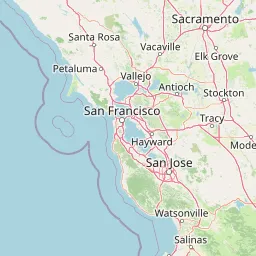




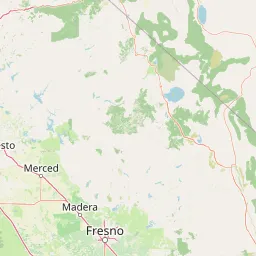
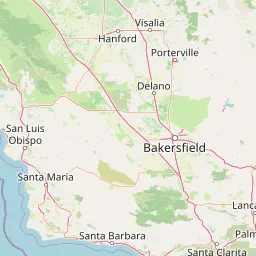








 Western University of Health Sciences Research colleges and universities
 Sonoma State University Research colleges and universities
 Santa Clara University Research colleges and universities
 Pomona College Research colleges and universities
 Occidental College Research colleges and universities
 Keck Graduate Institute Research colleges and universities
 Harvey Mudd College Research colleges and universities
 Claremont McKenna College Research colleges and universities
 California State University, San Marcos Research colleges and universities
 California State University, San Bernardino Research colleges and universities
 California State University, Northridge Research colleges and universities
 California State University, Monterey Bay Research colleges and universities
 California State University, East Bay Research colleges and universities
 California State University, Dominguez Hills Research colleges and universities
 California State University, Chico Research colleges and universities
 California State University, Channel Islands Research colleges and universities
 California State Polytechnic University, Humboldt Research colleges and universities
 California Polytechnic State University, San Luis Obispo Research colleges and universities
 Biola University Research colleges and universities
 University of San Francisco Research 2
 San José State University Research 2
 San Francisco State University Research 2
 Pepperdine University Research 2
 Loyola Marymount University Research 2
 Claremont Graduate University Research 2
 Chapman University Research 2
 California State University, Sacramento Research 2
 California State University, Los Angeles Research 2
 California State University, Long Beach Research 2
 California State University, Fullerton Research 2
 California State University, Fresno Research 2
 California State Polytechnic University, Pomona Research 2
 Azusa Pacific University Research 2
 San Diego State University Research 1
 University of Southern California Research 1
 California Institute of Technology Research 1

































 Google Drive
 Slack
 GitHub
 LinkedIn
 X
 Email